What Should You Do Before Moving to Another Country?
The first time I moved abroad, I stood in an empty apartment in Lisbon at 11 p.m. with three suitcases, no Wi-Fi, and a growing suspicion that I’d made a terrible mistake. The jet lag was crushing. I had no idea where to buy a pillow, and my phone was useless because I hadn’t sorted out a local SIM…

The first time I moved abroad, I stood in an empty apartment in Lisbon at 11 p.m. with three suitcases, no Wi-Fi, and a growing suspicion that I’d made a terrible mistake. The jet lag was crushing. I had no idea where to buy a pillow, and my phone was useless because I hadn’t sorted out a local SIM card before I left.
I didn’t cry, but I came close. I sat on a hard wooden chair and ate a sad supermarket pastry from my carry-on, wondering why I’d been so confident about this whole adventure.
Here’s the thing: moving to another country was one of the best decisions I’ve ever made. The move itself was nearly the worst. With a bit more preparation, I could have skipped most of the chaos. Let me walk you through what I learned, so your first week doesn’t start with a meltdown over furniture.
Why I thought I was ready (and clearly wasn’t)
I had spent months planning the logistics. I had a visa, a job contract, and a rental apartment confirmed. I had even watched a dozen YouTube videos about Portuguese bureaucracy, which turned out to be as confusing as the real thing.
But I had focused entirely on the big steps—the paperwork, the flight, the deposit—while ignoring the small, daily realities. I had no plan for the first 48 hours. I didn’t know the address of a single grocery store near my new home. I hadn’t even changed my currency card settings, so my bank blocked my first few purchase attempts as “suspicious activity.”
The result was a slow, exhausting start. I spent days fumbling through basic tasks that should have taken minutes. If you’re planning an international move, don’t replicate my mistakes.
The first big mistake: I didn’t do a reconnaissance trip
I know, this sounds obvious. But I was trying to save money, and I thought a week-long scouting trip was a luxury I could skip. The apartment photos looked great. The neighborhood looked fine on Google Maps. How wrong could I be?
Pretty wrong, as it turns out. The apartment building was under construction with scaffolding covering the windows. The “charming local market” near my flat was actually a parking lot. And the neighborhood, while safe, was a 40-minute commute to my office, not the 15 minutes the landlord had claimed.
What to do instead: If you can afford it, book a short reconnaissance trip—even three or four days—to walk the neighborhoods, time the commutes, and see the actual apartment. If you can’t travel first, spend serious time on local expat forums and Facebook groups. Ask specific questions about specific streets. Look at YouTube walking tours of the area. If a property listing sounds too good to be true, it probably is. For additional safety checks on the area, the practical guides on this site are a surprisingly good starting point for vetting neighborhoods.
The paperwork was a monster I underestimated
I had my visa, yes. But I didn’t realize that having a visa doesn’t mean you’re done with paperwork. In fact, it often means the paperwork is just beginning.
In the first three months, I needed to get a local tax number, register for health care, open a bank account, and sign up for utilities. Each of these required a different set of documents, many of which I had left at home in a filing cabinet. I spent weeks waiting for my parents to scan and email me things like my birth certificate and proof of my old address.
What to do instead: Before you leave, create a digital folder with scans of every important document you can think of: passport, birth certificate, marriage certificate, diplomas, employment history, bank statements, and any medical records. Save them in a secure cloud drive. Also, keep physical copies in a separate folder in your carry-on, not in your checked luggage. You’ll be surprised how often someone at a government office wants to see the original, not a scan. I also recommend checking the emergency numbers by country for your new home and saving them in your phone before you land—it’s a small thing that gives you peace of mind during that vulnerable first week.
The money problem I hadn’t planned for
I thought I had budgeted well. I had savings for about three months of expenses. But I hadn’t accounted for the hidden costs of moving.
Your first month abroad is a money pit. You’ll need deposits for utilities, new furniture, household basics, and a hundred small items you didn’t realize you needed (curtains, for example, and a trash can, and a mop). You’ll also end up eating out a lot because your kitchen is empty, and restaurant meals add up fast.
What to do instead: Before you move, open a local bank account if you can, or at least a multi-currency account that doesn’t charge high foreign transaction fees. Let your current bank know you’re moving so they don’t freeze your card. And budget for at least double your expected first-month expenses. If you think you’ll need $2,000, plan for $4,000. You won’t regret the extra cushion. For more detailed planning checklists, the blog here has some genuinely useful articles on relocation prep and getting settled in a new country.
The emotional side is real, and nobody talks about it
Everyone talks about the excitement of moving abroad. Nobody talks about the loneliness of those first few weekends when you don’t know a single soul and your family is six time zones away.
I remember sitting in a café on my second Sunday, watching a group of friends laugh over brunch, and feeling a wave of isolation so strong it hurt. I had left a solid social network back home, and I hadn’t yet built a new one.
What to do instead: Accept that this will happen, and plan for it. Join local expat groups before you arrive. Many have WhatsApp or Facebook groups where you can introduce yourself. Sign up for language classes immediately—they’re a fantastic way to meet people and learn the local culture. If you’re moving with kids, this transition is even harder for them; the kids & family safety section here has practical advice on helping children adjust to a new country and stay safe while they explore.
Honest pros and cons
The pros of moving abroad:
- You’ll grow in ways you never expected. You become more resourceful, more patient, and more adaptable.
- The world gets bigger. You’ll gain a perspective on your own country and culture that you simply can’t get from reading.
- Daily life becomes an adventure. Even a trip to the pharmacy can feel like a small victory.
The cons:
- The bureaucracy is relentless. You’ll spend hours waiting in government offices, filling forms, and deciphering rules.
- You’ll miss your people. Birthdays, holidays, and ordinary Sunday dinners with family will feel different.
- It’s expensive to start over. Everything from furniture to finding a decent hairdresser costs time and money.
What I would do differently
If I could go back and give myself advice, it would be these five things:
- Start the language lessons before you arrive. I waited until I landed, and the first few months were a frustrating blur. Even 30 minutes a day for a month before you move will make a world of difference.
- Ship a small box of essentials ahead of you. Things like your favorite coffee mug, a few books, and a comfort item or two. It sounds silly, but having something familiar when you arrive is grounding.
- Book temporary accommodation for the first two weeks. Don’t move straight into your long-term apartment. Give yourself time to buy furniture, sort utilities, and deal with logistics without living in chaos.
- Make one friend before you arrive. Reach out online. Go on a coffee date with them in your first week. Having one friendly face makes the transition manageable.
- Keep a journal for the first six months. You’ll want to remember the small successes and the funny disasters later. And on the hard days, it helps to see how far you’ve come.
Quick practical tips
- Scan all documents into a cloud folder before you leave.
- Let your bank know you’re moving to avoid frozen cards.
- Download offline maps of your new city before you land.
- Learn the local emergency numbers by heart.
- Pack a first-week survival kit: toilet paper, a basic tool kit, snacks, and a power adapter.
A few questions you might have
How much money should I have saved before moving? Aim for enough to cover three to six months of expenses, plus a cushion for unexpected costs. The exact amount depends heavily on your destination, so research average living costs and be conservative.
Should I sell everything or ship it? For most people, selling bulky furniture is smarter—the cost of shipping often exceeds the value of the items. Ship only sentimental items and things that are genuinely hard to replace.
How do I find a good neighborhood? Join local expat and resident groups online, ask specific questions, and use video tours to see the area. If you can, visit in person during the day and at night to get a real feel for the place.
What if I hate it after I move? That’s more common than you’d think. Give yourself at least six months before making a final judgment. The first few months are always the hardest.
A final thought
When I look back at that first night in Lisbon, sitting on a borrowed chair in an empty apartment, I can laugh now. The pastry was stale, the Wi-Fi took three days to install, and I had no idea what I was doing. But I figured it out, one small step at a time.
Moving abroad isn’t about being perfectly prepared. It’s about being prepared enough to handle the chaos when it comes—and it will come. If you can do that, you’ll discover that the adventure is worth every confusing, exhausting, glorious moment.
Pack your bags, scan your documents, and go. Just pack a better pastry than I did.
Want the trusted steps for this and similar situations? Browse the full set of practical guides, read more practical-knowledge articles, or check the emergency numbers for your country so you are ready if something goes wrong.
Written by
Mohamed IDBRAHIM
I oversee the platform's development, content strategy, quality standards, and overall user experience. My goal is to make WhatToDoInCaseOf.com a reliable and practical resource where people can quickly find clear, useful information about what to do when facing everyday problems, unexpected situations, important decisions, and life challenges. I work to ensure that the platform remains easy to use, accessible, informative, and continuously improved with helpful guides, tools, calculators, and practical resources. Through a focus on clarity, usefulness, and innovation, I am committed to building a platform that helps people better understand their options and take the next step with confidence.
View profileSpotted an error? Report it — we correct mistakes promptly.
Keep reading
Related articles

Where Can You Live Comfortably With Your Salary? Find Out Now
Discover where your salary stretches furthest. Compare real cost-of-living data and find the cities where you can actually live comfortably—without changing jobs.

What Cities Can You Afford on Your Salary? Here's How to Find Out (Before You Move)
Discover which cities you can actually afford on your salary. Use this free cost-of-living calculator to compare 315+ cities side-by-side in seconds.
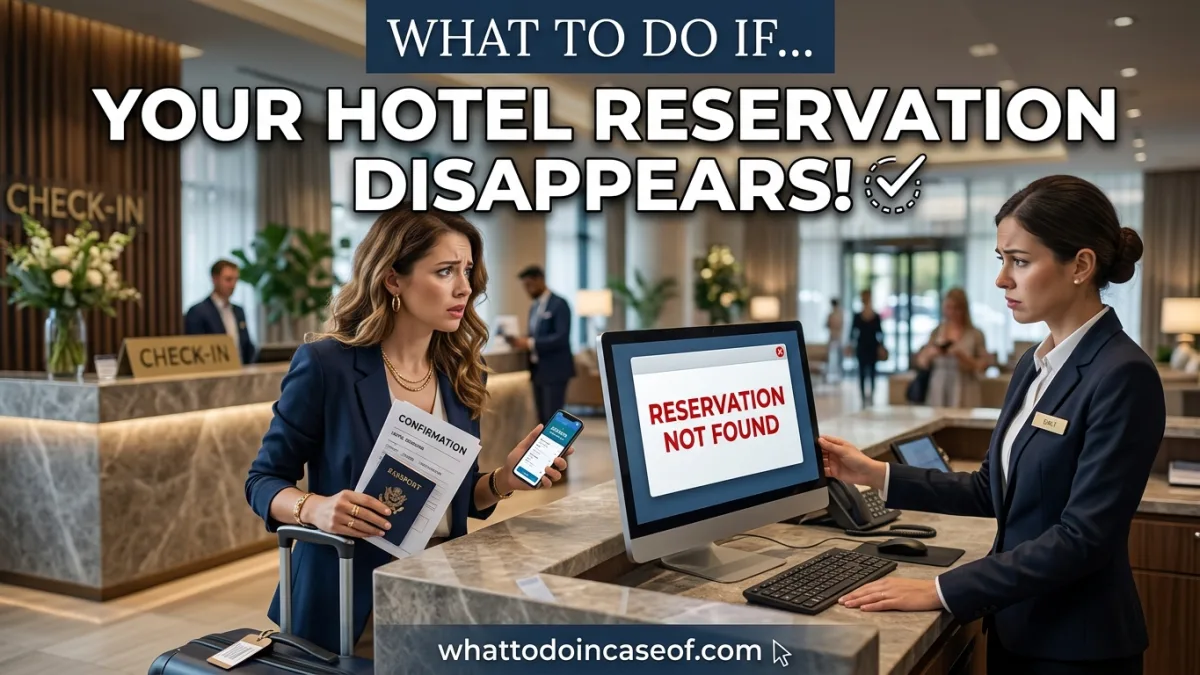
What to Do If Your Hotel Reservation Disappears
You booked the room months ago. You have the confirmation email, maybe even a screenshot. You get off a long flight, walk up to the front desk, and the person behind it says they have no record of you.
Related guides
What Should I Do If I Get Scammed as a Tourist?
Tourist scams are common in crowded areas. Learn how to recognize them, protect your money, and report the scam to the right authorities.
Missed flight: what to do?
Missed flight: the right reflexes in a few simple steps.
Freezing rain warning issued: what to do?
Freezing rain warning issued: the right reflexes in a few simple steps.